
Margaret had lived in her Bondi home for forty-two years. She knew every creak in the floorboards, every trick to opening the stubborn back door. But after her fall last winter, something shifted. Her daughter started calling three times a day. Her son wanted her to move into assisted living.
She wasn't ready to leave. She just needed to feel safe again.
More than 340,000 Australians over 65 experience falls each year. But the physical injury is only part of the story. The real impact shows up in the decisions made afterward.
Adult children take time off work to check in. Independence gradually erodes. The home that once represented freedom starts to feel like a risk.
Research indicates that environmental modifications can reduce fall risk by up to 26% among older adults with a history of falling [1]. Yet most homes remain unchanged until after an incident occurs.
Standard home evaluations look for obvious hazards: loose rugs, poor lighting, cluttered walkways. These matter, certainly.
But they often overlook the patterns that actually lead to incidents. The specific time of day when disorientation happens. The exact sequence of movements that create instability. The emotional factors that influence decision-making about mobility.
A comprehensive approach considers not just the physical space, but how individuals interact with that space throughout their daily routines.
"They didn't just install grab rails and call it done. They watched how I move through my morning routine, asked about the times I feel unsteady, and made changes I didn't even know were possible. I'm still here, in my own home, and I'm not afraid anymore."
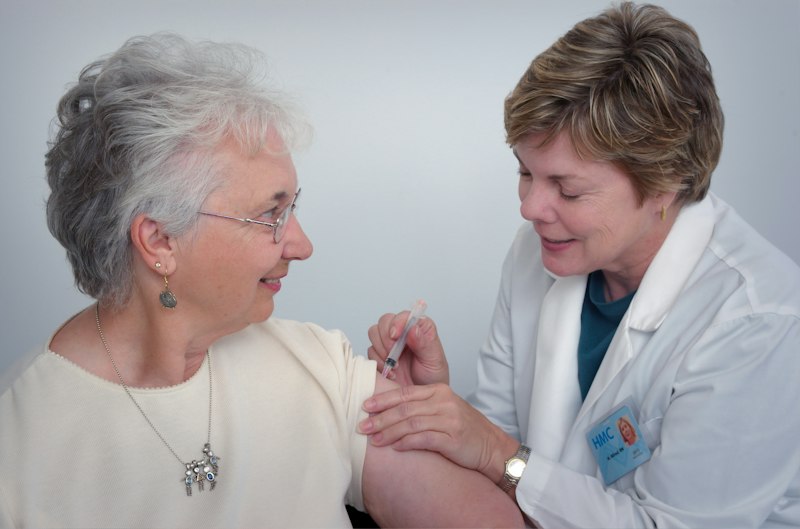
We observe your daily routines, document movement patterns, and identify specific moments of concern.
Every room receives detailed evaluation. Lighting levels are measured. Surface friction is tested. Sight lines are mapped.
You receive a prioritized plan based on your specific needs, budget considerations, and lifestyle preferences.
We coordinate with trusted contractors, oversee installations, and verify every modification meets Australian safety standards.
Family members report significantly lower stress levels when evidence-based safety measures are in place.
Older adults continue making their own choices about daily activities without constant supervision.
Prevention costs substantially less than emergency care and facility placement.
One point of contact manages all assessments, recommendations, and implementation steps.
Our approach draws on peer-reviewed research in geriatric safety and environmental gerontology. Studies demonstrate that multifactorial interventions, including home hazard reduction, can decrease fall rates by 19% to 31% [2].
Adequate lighting may reduce fall risk, particularly in individuals with visual impairments [3]. Installation of grab bars and modifications to bathroom environments have been associated with improved safety outcomes in multiple observational studies.
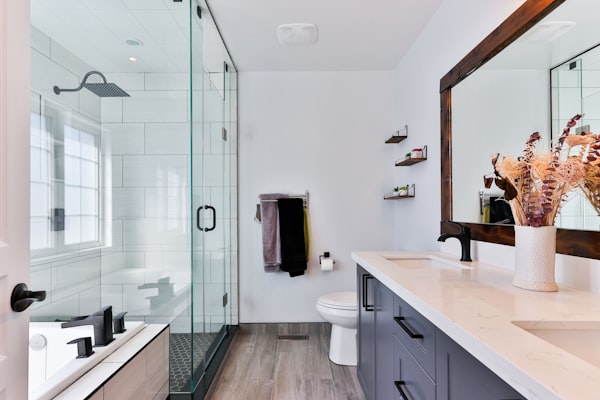
Detailed assessment of every living space, including lighting analysis, surface testing, and accessibility review. Includes written report with prioritized recommendations.

Specialized assessment and installation for high-risk areas. Includes grab bar placement, non-slip surfacing, and shower seat installation.

Comprehensive lighting upgrade focused on fall prevention. Includes motion-activated pathway lights, glare reduction, and optimized switch placement.
Personal alert system setup with 24-hour monitoring connection. Includes device installation, testing, and family notification protocols.
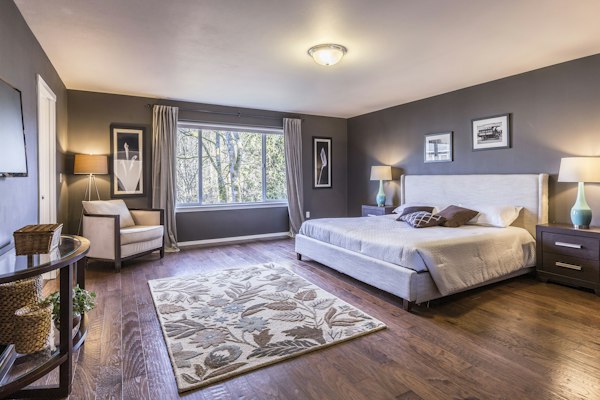
Reorganization of furniture placement and traffic flow to reduce collision risk and improve stability. Includes doorway widening assessment.
Ongoing safety monitoring with seasonal adjustments. Includes quarterly visits, updated recommendations, and family communication reports.
Select a service above, then complete this form to schedule your assessment. We typically respond within one business day.